Scaling routes and adding a second truck
Growth in this business is not about adding trucks — it is about adding density, and only adding a truck when density runs out of room. The operators who scale profitably densify what they have before they buy more, systemize their service so a second driver runs the same reliable route, and grow into demand they have already proven. The ones who struggle buy a second truck on optimism and spend a year feeding it. This chapter is about growing the right way.
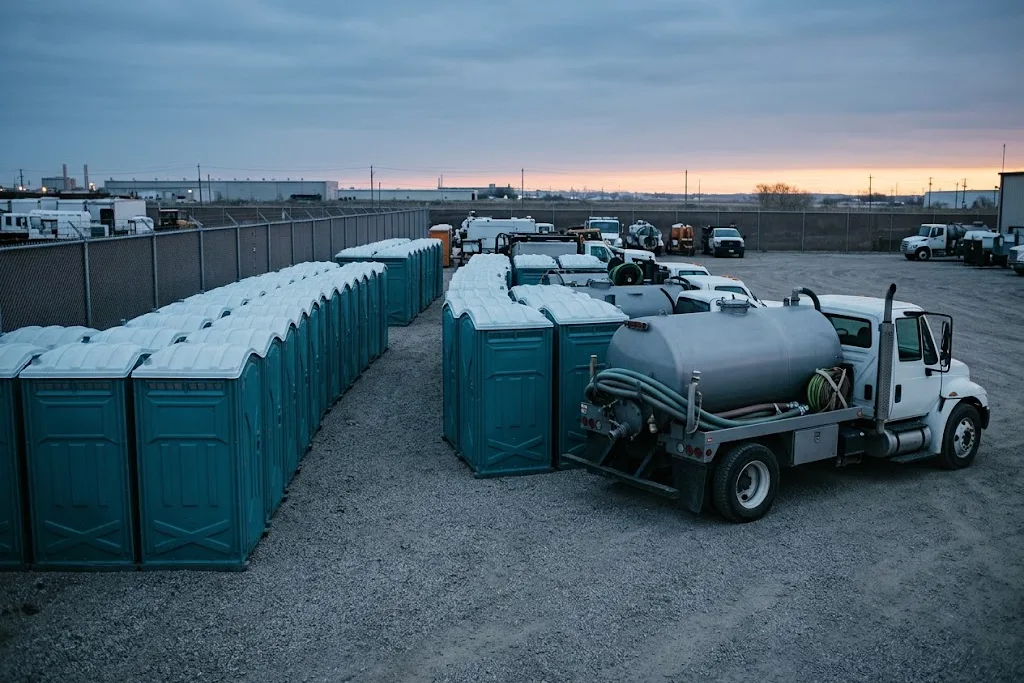
Densify before you buy
The cheapest growth there is comes from route density: adding units to accounts you already service, or winning new accounts clustered near your existing stops, raises revenue without adding much drive time. Your truck is already driving that neighborhood — putting more units on that route is close to free margin.
So before you think about a second truck, ask whether you have squeezed the route you have. More units per existing account, new accounts near your current stops, and a tighter service loop all raise revenue against the same drive. Reinvest in the units and neighborhoods that book most, and be disciplined about accounts far outside your route that quietly lose money on windshield time. Density is the first, cheapest lever — the one covered in routes and servicing cadence — and most operators have more of it available than they think.
When to add a second truck
Add a second truck and driver when one truck and driver can no longer cover your standing service cadence — when routes are full, units are waiting on service, and you are turning down accounts you could otherwise keep serviced. Recall that one technician can manage 100–120 units on the books across a week of routes (per jim.com 2026); when you are consistently bumping that ceiling and still have demand, the capacity is real.
A second truck and driver are large fixed costs, so add them against proven, recurring demand — a backlog of accounts you have actually won or turned away — not in anticipation of demand you hope will show up. The truck sits idle either way; the difference is whether booked recurring revenue is paying for it. Densify the route you have before you buy a second one, and let the waiting list, not the ambition, pull the trigger.
Systemize so growth does not break service
Missed and skipped services are what break a growing operation. What one person tracks in their head — which units are placed, on what cadence, serviced when — collapses the moment two trucks share a fleet and a schedule. The unit that one driver assumes the other serviced is the overflow that ends an account.
So before you add a truck, put your placements, cadences, and completed services into one system everyone works from. A second driver should open the same route, see the same stops, and leave the same proof-of-service record you do — so the reliability that won your accounts survives having more than one person deliver it. This is the difference between growth that compounds and growth that just multiplies the mistakes. A dispatch view that shows both trucks’ routes, and a service record every driver captures the same way, is what lets you scale without watching your service quality slip.
The fastest way to raise profit as you scale
Route density, again. Adding units to accounts you already service, or winning new accounts clustered near your existing stops, is the cheapest revenue you will ever add. As you grow, keep reinvesting in the units and neighborhoods that book most and keep pruning the distant accounts that bleed the day in drive time. Scaling well is mostly saying no to profitable-looking accounts in the wrong place.
How big can one market get?
Bigger than most new operators assume. US portable toilet rental was about a $3.3 billion market in 2025, growing at roughly 5% a year, with no single company holding more than 5% share (per IBISWorld 2025 and jim.com 2026). That fragmentation is the opportunity: a disciplined local operator with dense routes and reliable service can keep taking share in a single metro for a long time.
You do not have to conquer the country. You have to own a few dense corridors in one market, service them more reliably than anyone else, and reinvest the recurring revenue into more density. The business rewards the operator who goes deep in one place over the one who spreads thin across many. Keep the routes tight, the service documented, and the truck full — that is the whole scaling strategy.
Frequently Asked Questions
- When should I add a second truck?
- When one truck and driver can no longer cover your standing service cadence — when routes are full, units are waiting on service, and you are turning down accounts you could keep serviced. A second truck and driver are large fixed costs, so add them against proven, recurring demand, not in anticipation of it. Densify the route you have before you buy a second one.
- How do I grow without hurting service?
- Systemize the route first. Missed and skipped services are what break a growing operation, because what one person tracks in their head collapses when two trucks share a fleet and a schedule. Put your placements, cadences, and completed services into one system everyone works from, so a second driver runs the same reliable route you do.
- What is the fastest way to raise profit as I scale?
- Route density. Adding units to accounts you already service, or winning new accounts clustered near your existing stops, raises revenue without adding much drive time — the cheapest growth there is. Reinvest in the units and neighborhoods that book most, and be disciplined about accounts far outside your route that quietly lose money on windshield time.
- How big can a one-market porta potty business get?
- The market is large and fragmented — US portable toilet rental was about a $3.3 billion market in 2025, growing at roughly 5% a year, with no single company holding more than 5% share (per IBISWorld 2025 and jim.com 2026). That fragmentation is the opportunity: a disciplined local operator with dense routes and reliable service can keep taking share in a single metro for a long time.
Run the route from your phone, and stamp every stop
SwapProof is built for solo and small-crew portable-restroom operators — track your fleet, drive the route offline in a dead-zone site, and stamp every service with a photo, GPS when you allow it, and a timestamp you can forward. The free tier tracks up to 10 units and two active placements — enough to prove the loop on your first accounts, no card.